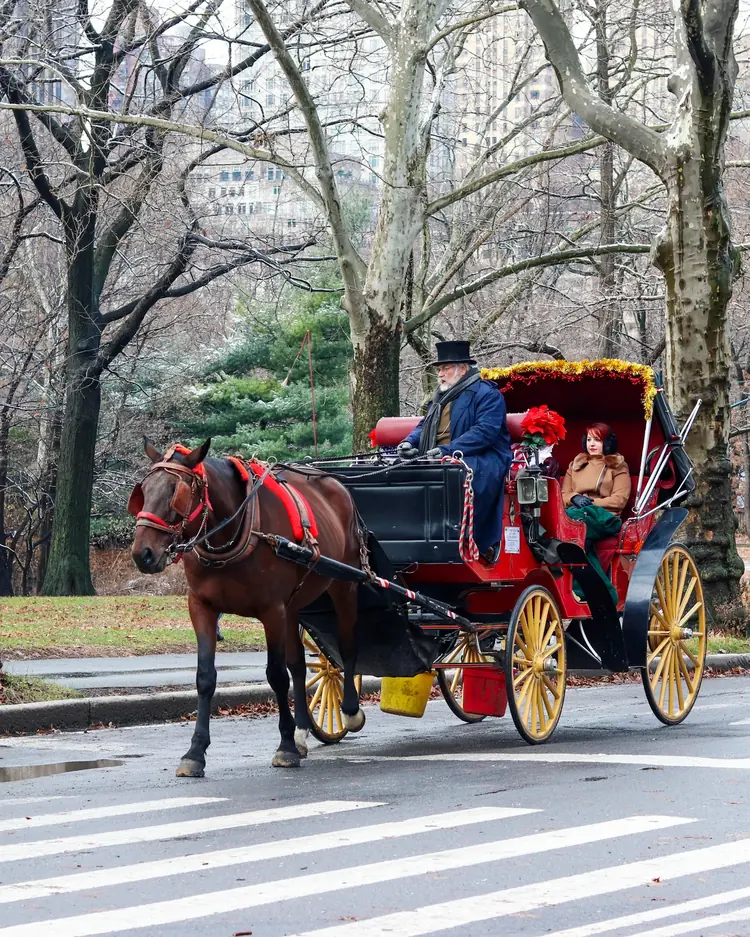

If the bill goes ahead as approved, current licenses would expire on May 31, 2028 and, from June 1 that year, the city would stop issuing new ones. Until then, nothing changes automatically.
What the City Council approved
On October 22, 2026, the full New York City Council passed the bill Int. 0943-2026, known as Romanch's Law. According to the official press release, 40 council members voted in favor. The Associated Press puts the result at 40 in favor, 7 against and 2 abstentions.
The text bans using horses to pull vehicles for commercial purposes, with temporary permits for events such as film shoots or weddings, and requires the city to prepare a transition plan for workers and business owners in the sector.
When would the carriages disappear?
These are the dates in the official legislative record. All of them depend on the mayor signing and the text taking effect unchanged:
- An executive order from the mayor (No. 56) tells city agencies to prepare for an end to the activity.
- The City Council passes the bill.
- The form owners use to certify where their horses will go must be available.
- The city must publish the worker transition plan.
- Each owner must certify they will not sell their horse for slaughter.
- Current licenses expire and are not renewed.
- No new licenses are issued and the ban on commercial use takes effect.
Are the carriages still running in the meantime?
For now, yes. In the Council's legislative record the bill appears as "approved, on the mayor's desk for signature". Until it is signed and takes effect, the service remains under current rules, and the official information we reviewed announces no end date before 2028.
No signature is on record as of this update. There are statements from third parties: according to the Council's press release, the ASPCA asked Mayor Zohran Mamdani to sign, and other organizations say he has made clear he would. Those are those groups' views, not a signature. The AP, for its part, reports that the mayor backed the bill.
Since September 2025, Executive Order 56 has also called for better safety while the activity continues: studying boarding points and stepping up police enforcement and health inspections.
Why it passed and what each side says
Council Speaker Julie Menin argued that the status quo had become unsustainable and unsafe for both horses and people. Council Member Christopher Marte, the bill's sponsor, says it gives time for the transition. Animal protection groups such as the ASPCA also back it.
The debate flared up again after the death of Romanch Mahajan, 18, in June 2026, following an accident with a runaway carriage in Central Park, according to the Council's press release.
The industry has no voice of its own in the official sources we reviewed; they only note that drivers testified at the hearing. According to the AP, drivers argue that the business is heavily regulated and employs immigrant families, the union has said it will challenge the law in court, and more than 150 workers could lose their jobs. That comes from a single news agency, so treat it with that caution.
What will happen to the horses?
By June 1, 2027, each owner of a licensed horse must certify to the Department of Health that they will not sell or transfer it for slaughter or to another carriage business. Owners may also keep their animals. Any transfer must be reported at least 10 business days in advance.
The city must create a program to help find suitable placements. The law only says that compensating owners will be "considered"; there are no amounts and no commitment. There is also no published data on how many horses are affected or where each one will go.
What will happen to the workers?
The transition plan, due before April 1, 2027, includes job referrals and training in sectors such as taxis, public transport, tourism and hospitality, career counseling, job fairs, access to education and help starting a business. The text expressly mentions stable workers.
A working group with representatives of the city government, unions and the Speaker's office will follow the process. As with owners, compensation for licenses and equipment is only something to be "considered".
How to see Central Park without a carriage
While the service exists, riding a carriage is still possible. If you prefer another way to see the park, these work well and don't depend on any license:
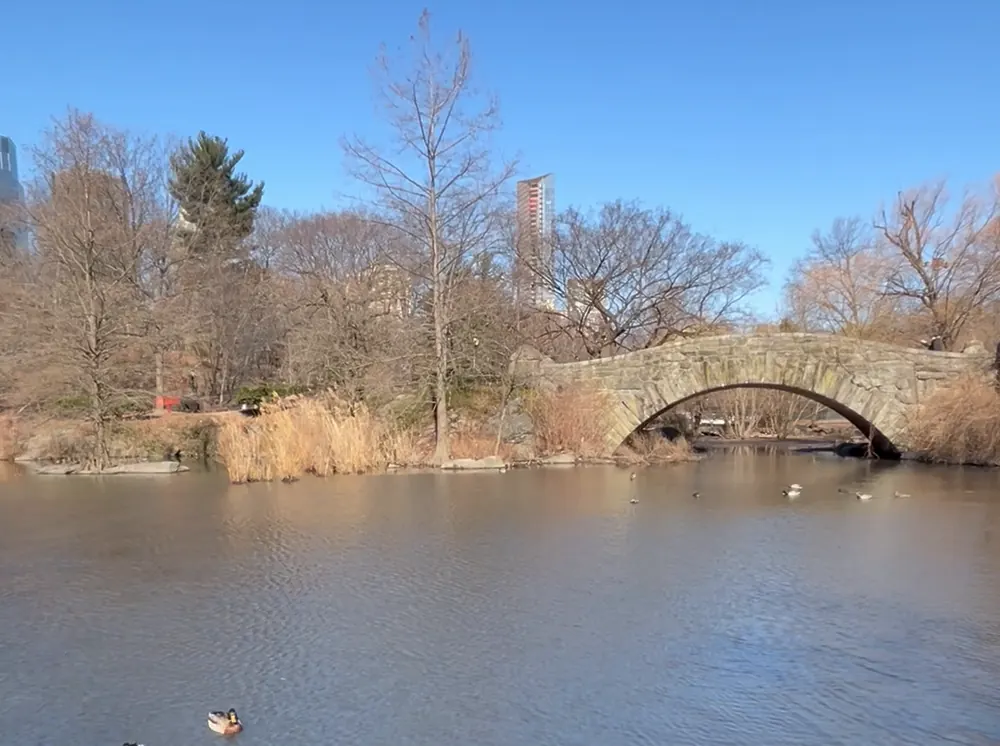
- On foot. Bethesda Terrace, The Mall and Bow Bridge link up in an easy, photogenic walk.
- By bike. It lets you cover more ground. Follow the marked lanes and directions, and check rental terms before you set off.
- Slowly. A meadow, the pond and a break are worth more than trying to see it all in one morning.

Executive Order 56 mentions that alternatives for the park are being studied, such as electric carriages or a stable visitors could tour. No decision has been made on any of them.
Stay near Central Park
Tell BedCopilot your dates, how many of you are traveling and your budget. It shows options near the park and breaks down the fees it knows about for each hotel before you book.
Check hotels near Central Park Also near the park: the Plaza Hotel will close in 2027 (in Spanish).Frequently asked questions
Are Central Park horse carriages still running?
Yes. The New York City Council approved the phase-out on October 22, 2026, but as of October 27 the bill was awaiting the mayor's signature and was not in force. The official information we reviewed announces no end date before 2028.
Are they banned already?
Not yet. The Council passed the bill, but the legislative record showed it on the mayor's desk for signature. Until it is signed and takes effect, there is no ban.
When would they stop?
Under the approved text, current licenses would expire on May 31, 2028 and no new licenses would be issued from June 1, 2028. Those dates depend on the bill taking effect as passed.
What will happen to the horses?
By June 1, 2027, each owner must certify that they will not sell or transfer their horse for slaughter or to another carriage business. The city must create a program to help find humane placements.
Could the timeline change?
Yes. The mayor has yet to sign and, according to the AP, the carriage drivers' union has said it will challenge the law in court. We will update this page if anything changes.
Sources
- Bill Int. 0943-2026, New York City Council legislative record (status: approved, pending the mayor's signature).
- New York City Council press release, October 22, 2026.
- Executive Order 56, City of New York, September 17, 2025.
- Associated Press coverage (published by NewsChannel 9): vote count, the industry's position and the announced court challenge.
Updated October 27, 2026. Information checked against the sources above. If the mayor signs or the timeline changes, we will reflect it here.